
 REQUEST INVITE
-Apr-29-2026-04-54-49-2132-PM.png)
Every CEO wants to move faster. Every development team knows why they can’t. At RestaurantSpaces, three leaders from very different restaurant concepts sat down to unpack what’s actually broken in restaurant development right now and what they’re doing about it.
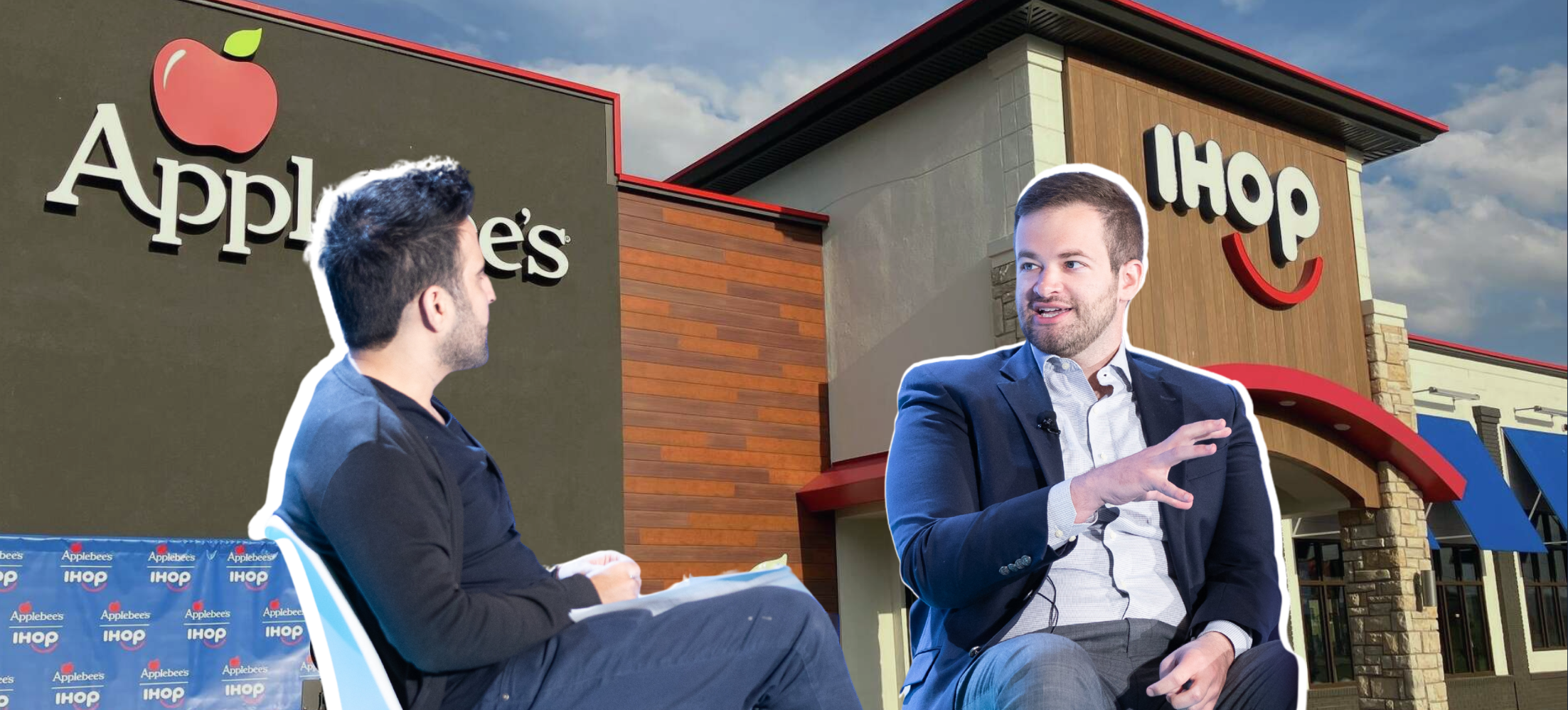
The conversation, moderated by Zia Durrani (Producer, RestaurantSpaces), brought together Nick Scaccio, Chief Development Officer at Paris Baguette; Tim Jagneaux, Vice President of Construction and Facilities at Dutch Bros Coffee; and Graham Hildebrand, National Real Estate Development Director at Torchy’s Tacos. They cut through the noise on AI, prefab, vendor relationships, and the one mistake that turns growing brands into legacy problems.
Restaurant Permitting in 2026: The Problem Isn't Going Away
Speed came up within the first 30 seconds. Nick Scaccio summed it up plainly: his CEO walks by his office and says "we need to go faster" on a loop. Paris Baguette opened 77 locations last year and is targeting 120 to 130 this year. The bottleneck isn't construction. It's everything upstream.
Tim Jagneaux (Dutch Bros) pointed to permitting as the single biggest drag. "Years ago you could walk into a permit office with a couple dozen donuts and walk out with a permit," he said. "Now everything's done through a portal." The relationships that once greased the process are harder to build when there's no human on the other end. His prescription: find those relationships anyway, because that's still where you pick up time.
Paris Baguette has found one concrete shortcut. The team now pre-vets and pre-approves a handful of sites before a franchisee even signs their agreement. By the time the welcome call happens, there's a shortlist ready to go. That alone saves four to six weeks.
Restaurant Construction Timelines: Attack the Site Before You Go Vertical
Jagneaux offered one of the more counterintuitive pieces of construction advice: stop chasing the vertical. "Everybody wants to see the building go vertical," he said. "But the faster you take weather out of the equation and get your site under control, the faster you get to staging." His teams push contractors to prioritize underground work and base prep first. Done right, he estimates it can cut 45 days out of a schedule.
He also raised the question of dead-deal cost tolerance. Getting geotechnical information early costs money that may not pay off on every site. But understanding your exposure upfront means almost everything else about cost becomes predictable. For high-volume development programs, that trade-off tends to be worth it.
On prefab: Jagneaux was direct. "Prefab is an ugly word for me." His concern is long-term maintenance, particularly leaking, in pre-assembled metal structures. The applause from the audience suggested he wasn't alone.
Bulk Purchasing Only Works If Your Pipeline Is Honest
Graham Hildebrand (Torchy's Tacos) described a simple lever that requires discipline to pull: give your construction and architecture team a realistic pipeline and let them pre-order at scale. HVAC units, scrubbers, fixtures. Buy in bulk, warehouse them, and stop scrambling 18 months later when a location needs a specific piece of equipment that takes six weeks to source.
The catch is the word "realistic." Bulk purchasing against an inflated forecast is just a different kind of problem. The discipline is in the forecast, not the purchasing.
Restaurant Design Strategies That Actually Moved the Needle
Scaccio shared one design change that had an outsized impact: Paris Baguette's 3.0 center island. It replaced the traditional counter layout with a central display that gives guests a 360-degree view of top-selling items and LTOs.
The result was a measurable jump in social engagement. "Guests posting stories live or interacting with the product has really been a stark change in our brand," he said. It turned a bakery visit into something shareable.
Torchy's, meanwhile, has spent the past year and a half tightening its footprint from 4,500 square feet to 2,800 to 3,200. The goal was profitability at a lower adjusted AUV, and it required getting the back-of-house layout right without sacrificing the things that define the brand. Their founder drew one non-negotiable line: the bar stays. "That was a non-starter," Hildebrand said.
Dutch Bros had a surprise of their own. They recently opened their first walk-up-only location across from USC in California, a departure from their drive-through-only model. It's performing extremely well. Whether it becomes a format they pursue more broadly is still an open question, but it's a data point worth watching.
AI in Restaurant Operations: Useful, Not There Yet, Worth Getting Right
Every panelist acknowledged AI is overhyped and still has real potential. Jagneaux sees the biggest near-term value in predictive maintenance and lifecycle management. Scaccio has pilots underway in loss prevention, in-store heat mapping, and RFID-based inventory. On the RFID point, he described one of their bakers taking a full inventory count in about 20 seconds and walking out of the cooler in tears: not because he was cold, but because he had never done it that fast before. "We launched the pilot after that."
Restaurant Facility Management: The Warning Every Growing Brand Should Hear
The most pointed exchange of the session came from an audience question about legacy asset management. Jagneaux came from a brand with 21,000 locations that had let its facilities erode. His framing was blunt: "It's very easy to get caught up in 'how can I do it today as cheap as I can, as fast as I can.' You wake up years later and your brand has eroded and you're losing customers left and right."
His philosophy at Dutch Bros is full lifecycle management. Use the right materials upfront. Maintain the asset. Don't turn off the maintenance valve when things get tight, because the long-term brand cost is far higher than the short-term savings. Paris Baguette will have completed 80 refreshes by July of this year, timed to their franchise convention. Torchy's actively tracks its portfolio by age and refreshes murals, paint, and finishes on a rolling basis.
The version of this problem that's hardest to see coming: it's easy, when you're in high-growth mode, to treat new store development as the only metric that matters. It generates the most top-line revenue. But brands that optimize entirely for new unit economics without protecting existing ones eventually arrive at a very expensive reckoning.
Culture Is the Variable That Doesn't Show Up in the Pro Forma
All three panelists returned to the same point independently: you only get to open in a new market once. Get it wrong, and you're fighting that impression for three to five years. Torchy's sends established GMs and AGMs into every new market, keeping them in place for two to three months to anchor the culture before handing off. Dutch Bros deploys a team from across the country to spend a month inside each new shop before opening. It's expensive, and it's not optional.
Scaccio framed it in terms of dilution risk. At Paris Baguette's growth rate, the question his team leads with in every meeting isn't about sites or timelines. It's: Do we have the right people to scale? "If we lose our way via not being aligned with our mission, vision, and values, the numbers will fall off," he said.
The implicit argument from all three: culture isn't a soft asset. It's the variable that determines whether 140 locations can become 200 without the whole thing quietly falling apart.
Watch the full talk below 👇

Posted by
Chain Restaurants Reimagined.
The Retreat to Reimagine Restaurant Development, Design + Technology.
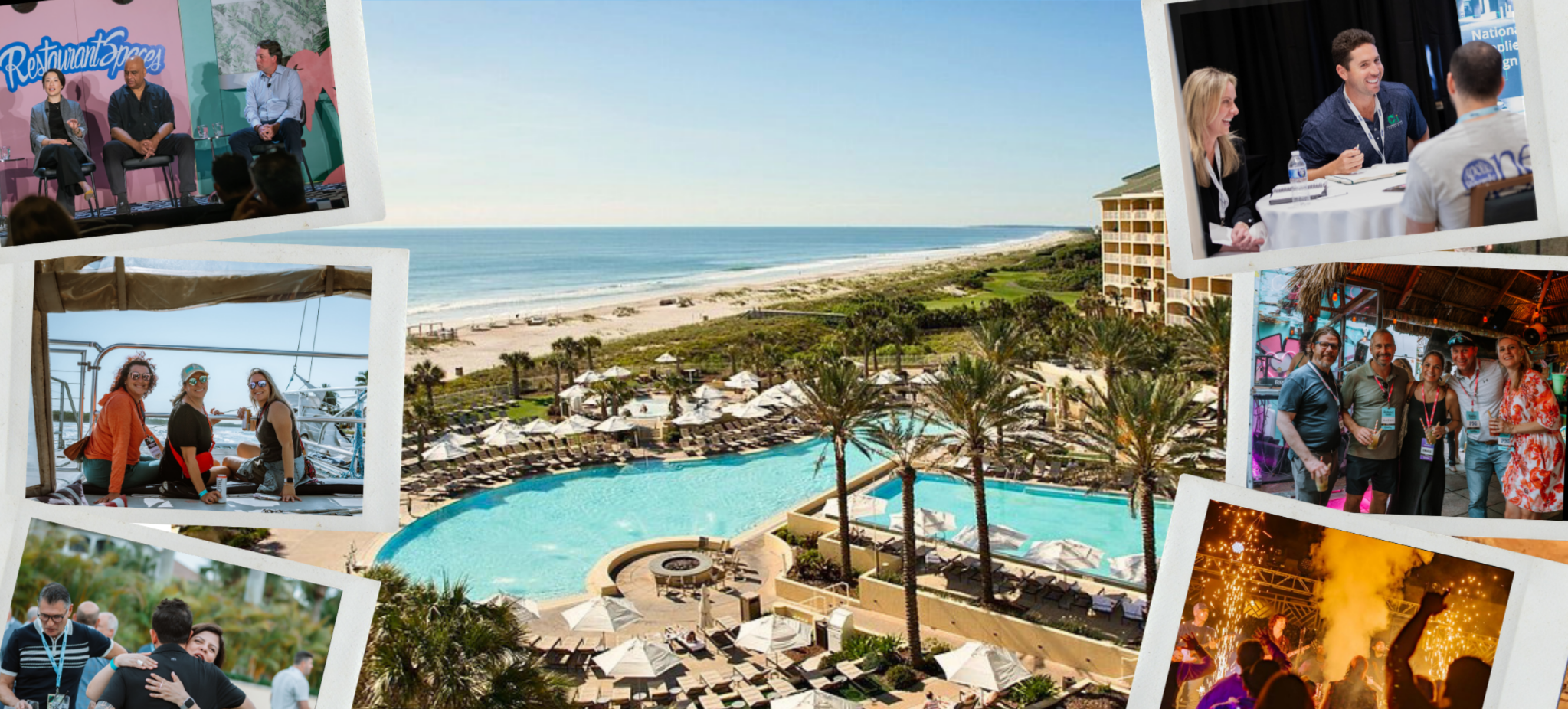
Oct 18-20, 2026 | Amelia Island, FL

-1.png)
-May-05-2026-12-48-02-5811-PM.png)



Comments